As the seasons shift, preparing your HVAC system ensures efficiency, longevity, and optimal comfort. Transitioning between warm and cold months requires proactive maintenance to prevent unexpected breakdowns and high energy costs. Here’s a comprehensive guide to getting your HVAC system ready for seasonal changes.
Why Seasonal HVAC Maintenance Matters
Your HVAC system works year-round to maintain comfortable indoor temperatures. However, the demands of summer and winter can strain components, making seasonal maintenance essential for:
- Enhancing energy efficiency
- Reducing repair costs
- Extending system lifespan
- Improving indoor air quality
Spring & Summer HVAC Preparation
When transitioning from cooler to warmer months, consider these steps:
1. Replace or Clean Air Filters
Dust and debris accumulate in filters, reducing airflow and forcing your HVAC system to work harder. Replace filters every 1-3 months for optimal performance.
2. Check and Clean the Outdoor Unit
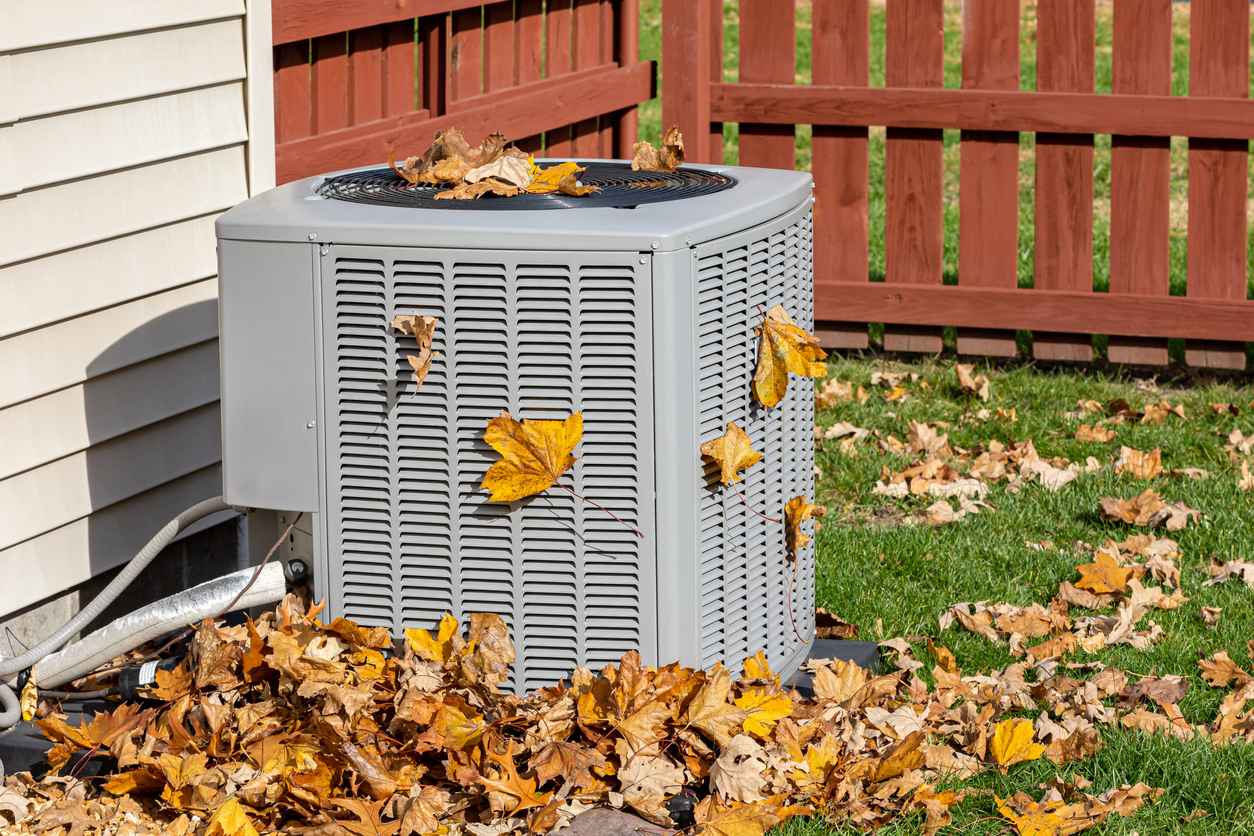
Winter debris, such as leaves and dirt, can obstruct airflow around the condenser unit. Remove debris and ensure at least two feet of clearance around it.
3. Test the Cooling System
Before summer heat arrives, test your air conditioning system. Run it for a few minutes to ensure it’s cooling efficiently and listen for any unusual noises.
4. Inspect Refrigerant Levels
Low refrigerant levels can affect cooling efficiency. If your system isn’t cooling adequately, a professional technician can check for leaks and recharge refrigerant if needed.
5. Clean Air Ducts and Vents
Blocked ducts reduce efficiency and circulate allergens. Schedule duct cleaning to improve air quality and system performance.
6. Program Your Thermostat
Adjust your thermostat settings for summer, or install a smart thermostat to automate temperature control and maximize energy savings.
Fall & Winter HVAC Preparation
As temperatures drop, your HVAC system shifts to heating mode. Prepare with these key steps:
1. Inspect the Furnace or Heat Pump
Check for dust buildup, unusual smells, or strange noises when starting your heating system. Addressing minor issues early prevents major malfunctions.
2. Test Carbon Monoxide Detectors
Furnaces and heat pumps can produce carbon monoxide if not functioning correctly. Ensure detectors have fresh batteries and work properly.
3. Check Insulation & Seals
Proper insulation keeps warm air inside, reducing strain on your heating system. Check for drafts and seal gaps in doors and windows.
4. Schedule a Professional Inspection
HVAC professionals can perform a thorough system check, identifying potential problems before they become costly repairs.
5. Reverse Ceiling Fans
Set ceiling fans to rotate clockwise in winter to push warm air downward, improving heating efficiency.
Final Thoughts
Regular HVAC maintenance ensures year-round comfort, lowers energy costs, and extends your system’s life. By following these seasonal maintenance steps, you can keep your home’s climate control system running smoothly no matter the season. If you need expert assistance, consider scheduling an HVAC inspection to keep your system in top shape.
Leave a Reply