
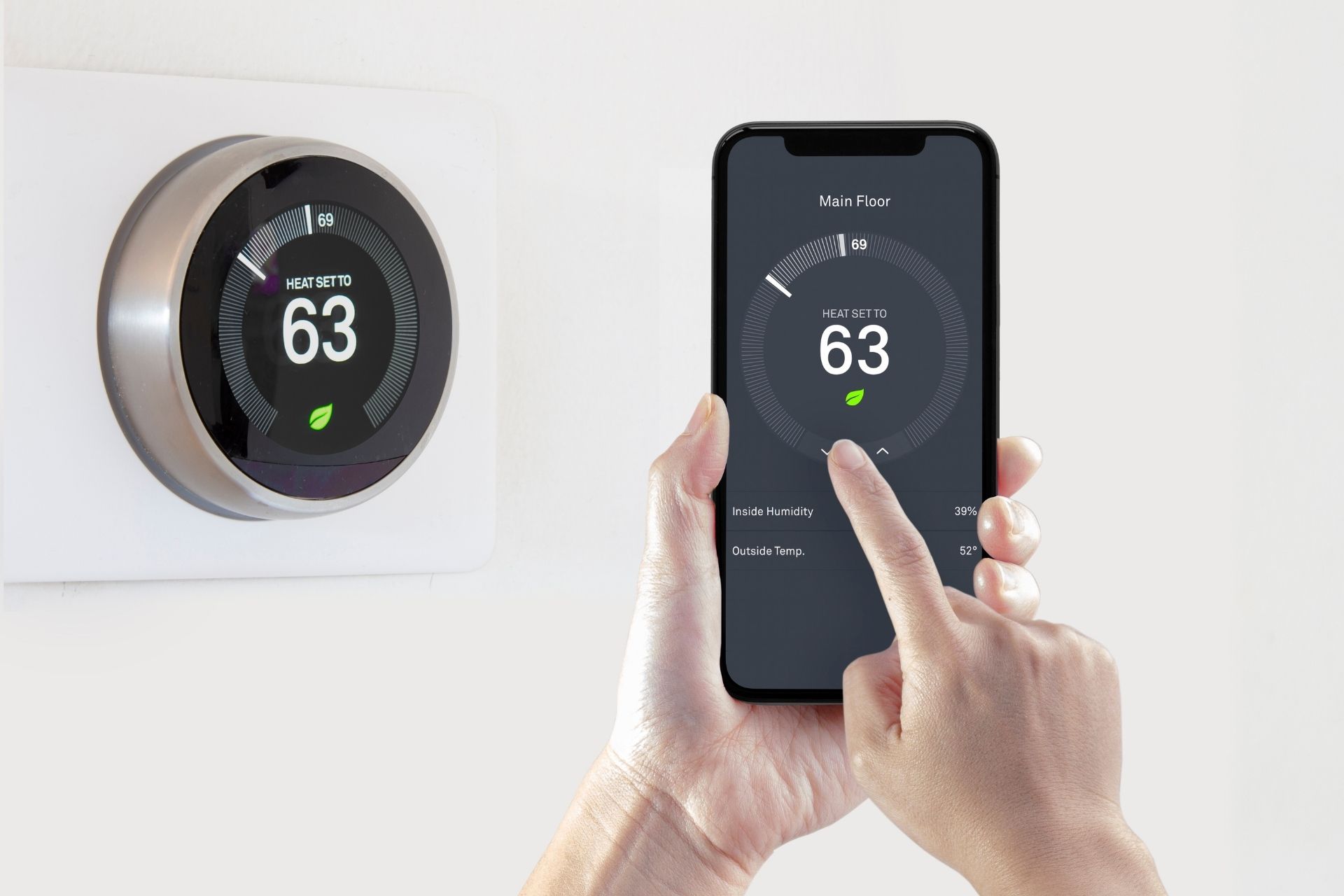
In today’s world of smart home technology, smart thermostats have emerged as one of the most significant advancements in climate control. These devices offer a high level of convenience, energy efficiency, and customization, making them an essential addition to modern homes. If you are considering upgrading your home’s heating and cooling system, understanding how smart thermostats work and their benefits can help you make an informed decision.
What Is a Smart Thermostat?
A smart thermostat is an advanced temperature control device that allows homeowners to regulate their indoor climate remotely via a smartphone, tablet, or voice command. Unlike traditional thermostats, which require manual adjustments, smart thermostats learn user preferences and habits to create an automated heating and cooling schedule that maximizes efficiency.
Most smart thermostats connect to a home’s Wi-Fi network, enabling remote access and real-time adjustments. Many models are compatible with smart home ecosystems, such as Amazon Alexa, Google Assistant, and Apple HomeKit, allowing for seamless integration and voice control.
Key Features of Smart Thermostats
1. Learning Capabilities
Many smart thermostats use artificial intelligence and machine learning to analyze your temperature preferences and create a schedule that optimizes comfort while minimizing energy usage. For example, the Nest Learning Thermostat gradually adapts to your habits, automatically adjusting settings to suit your lifestyle.
2. Remote Control & Accessibility
With a smart thermostat, you can control your home’s temperature from anywhere using a mobile app. This feature is particularly useful for individuals who travel frequently or want to adjust settings before arriving home.
3. Energy Savings & Efficiency Reports
Smart thermostats track energy usage and provide insights into heating and cooling patterns. Many models generate monthly reports that detail energy consumption and offer tips on reducing utility bills.
4. Integration with Other Smart Devices
Smart thermostats can be integrated with other smart home devices such as smart lights, security systems, and home automation hubs. This allows users to create routines where the thermostat adjusts based on occupancy sensors or when a door is opened.
5. Geofencing Technology
Geofencing allows the thermostat to detect when you leave or return home, adjusting the temperature accordingly. This prevents unnecessary heating or cooling when no one is present, leading to substantial energy savings.
6. Voice Control Compatibility
Many smart thermostats work with voice assistants like Amazon Alexa, Google Assistant, and Apple Siri, enabling hands-free control through simple voice commands.
Benefits of Using a Smart Thermostat
1. Lower Energy Costs
One of the biggest advantages of a smart thermostat is its ability to reduce energy costs. By learning your habits and adjusting accordingly, these devices can optimize energy usage, potentially saving homeowners up to 20% on heating and cooling bills.
2. Increased Comfort
With precise temperature control and automated scheduling, smart thermostats maintain an ideal indoor climate without requiring constant manual adjustments.
3. Environmental Impact
By reducing energy waste, smart thermostats contribute to a more sustainable environment. Lower energy consumption means a reduced carbon footprint, making them an eco-friendly choice.
4. Convenience & Customization
The ability to control your home’s climate from anywhere, receive alerts, and customize temperature settings based on your schedule adds an unmatched level of convenience.
5. Compatibility with Zoning Systems
For homes with zoning systems, smart thermostats can control different areas independently, ensuring maximum efficiency and comfort.
How to Choose the Right Smart Thermostat
When selecting a smart thermostat, consider the following factors:
- Compatibility: Ensure the thermostat is compatible with your HVAC system.
- Features: Look for features that match your needs, such as learning capabilities, geofencing, or voice control.
- Ease of Use: Choose a model with an intuitive interface and user-friendly mobile app.
- Energy-Saving Certifications: Look for thermostats with ENERGY STAR certification for guaranteed energy efficiency.
Installation & Setup
Most smart thermostats come with step-by-step installation guides, and many homeowners can install them without professional help. However, if your HVAC system requires additional wiring or modifications, hiring a professional HVAC technician may be necessary.
Final Thoughts
Smart thermostats are transforming home climate control, offering convenience, energy savings, and enhanced comfort. By investing in a smart thermostat, homeowners can enjoy a modern, efficient, and sustainable approach to heating and cooling. Whether you’re looking to lower energy bills, integrate with your smart home, or enhance comfort, a smart thermostat is a worthwhile upgrade for any home.
If you’re ready to explore the best smart thermostat options for your home, consult with an HVAC professional to find the perfect model tailored to your needs.
Leave a Reply